- Live Interactive Webinar
- FREE; advance registration required
- 12-1 PM (Eastern)
- Wednesday, Sept. 23, 2026
- Held online
- 1 CE Hour
Overview.
This one-hour continuing education training offers a practical, clinician-focused overview of identifying, assessing and conceptualizing Post-Traumatic Stress Disorder (PTSD).
PTSD is presented as a disorder of non-recovery in which avoidance serves as the primary mechanism maintaining symptoms. This training reviews DSM-5-TR criteria, prevalence and comorbidities; and introduces the Life Events Checklist (LEC) and the Clinician-Administered PTSD Scale (CAPS-5) to improve detection and diagnostic clarity.
Special attention is given to the common underreporting of symptoms and the ways PTSD can be misidentified when comorbid concerns such as self-harm, psychosis, disordered eating or substance use are present.
Participants will learn to differentiate PTSD from Borderline Personality Disorder (BPD) and apply a staged, readiness-based approach to treatment planning using evidence-based interventions such as CPT, PE, EMDR, and DBT. Clinicians will leave with concrete tools to enhance assessment and inform treatment decisions.
Learning Objectives
- Accurately screen and assess PTSD using DSM-5 criteria, the LEC, and the CAPS-5 to improve diagnostic clarity.
- Distinguish PTSD from BPD by tracking symptom timing, trauma linkage, and patterns of emotional dysregulation.
- Create a targeted treatment plan based on readiness and diagnosis, selecting among CPT, PE, EMDR, and/or DBT to guide next steps in care.

Instructor Credentials
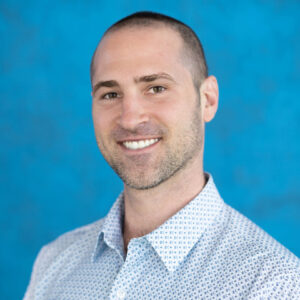 Will Schutt, Ph.D., completed his doctorate in Clinical Psychology at Case Western Reserve University. His predoctoral training included an internship at the Cleveland VA Medical Center, a rotation at Cleveland Clinic, and practicum work at the Center for Evidence Based Treatment (CEBT), where he now provides clinical care. At CEBT, Dr. Schutt conducts intake assessments, offers individual therapy and facilitates Dialectical Behavior Therapy (DBT) skills groups.

Dr. Schutt has received extensive training in several evidence-based interventions, including Cognitive Processing Therapy (CPT), the Unified Protocol (UP), DBT and mindfulness-based psychotherapies. His clinical focus centers on adults with PTSD—a population he worked closely with at the Cleveland VA. He also enjoys working with individuals navigating anxiety disorders, mood disorders and addictions. In addition to his clinical work, Dr. Schutt has authored peer-reviewed research and presented at academic conferences across the country. His research explores themes such as spiritual struggle, spiritual growth and the therapeutic potential of psychedelic experiences.
Dr. Schutt’s overarching goal is to help clients understand, overcome and find meaning in their challenges. With warmth, curiosity and a deep respect for the human capacity to grow, he strives to create a space where clients can explore the hardest parts of their experience—not just to heal, but to discover what might be possible on the other side.
JAN
About the Author:
All content on this website credited to Webmaster have been directed and approved by CEBT management.